


English
News Center
—— NEWS CENTER ——
On May 29, 2026, the Shanghai Municipal Bureau of Greenery and Public Sanitation issued a notice on printing and distributing the "Several Measures for Improving the Quality and Efficiency of Recyclable Waste Management in Shanghai".
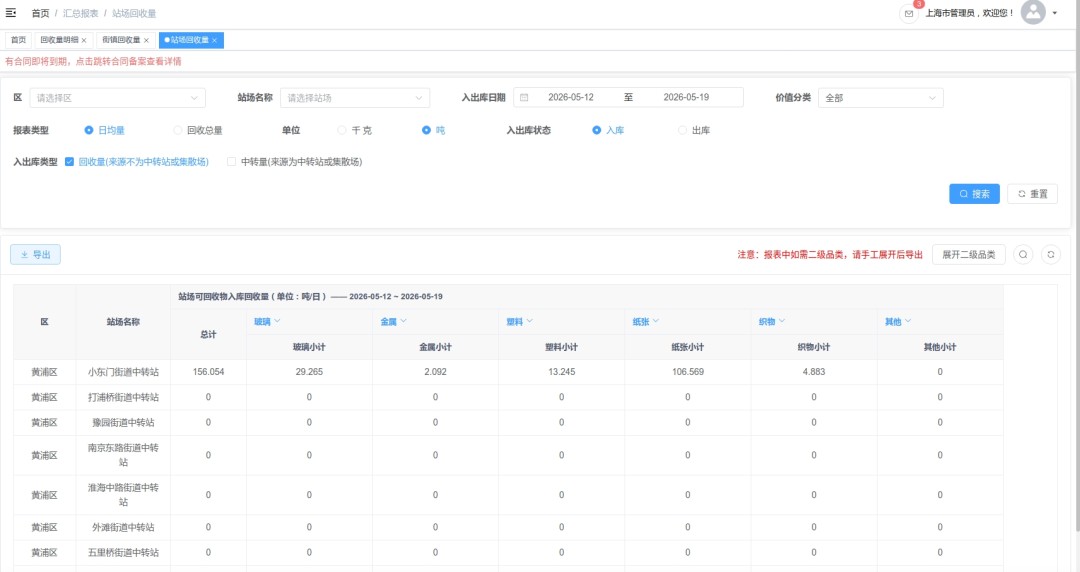
The document proposes to achieve full-chain metrological data supervision. It guides leading enterprises to standardize their recycling metrological management, equipping source recycling, transfer, and distribution centers with metrological instruments capable of automatically collecting and uploading data in real time to the "Shanghai Recycling" platform. This includes implementing full-process metrological measurement and automatic collection and real-time transmission of key information such as recycled categories, low-value classifications, weight, and flow. By the end of August 2026, all metrological data from each stage should be integrated into the platform. The document also emphasizes strengthening the supervision of leading enterprises' recycling metrological operation processes and platform data to ensure accurate and standardized metrological measurement at each stage and real-time data upload.
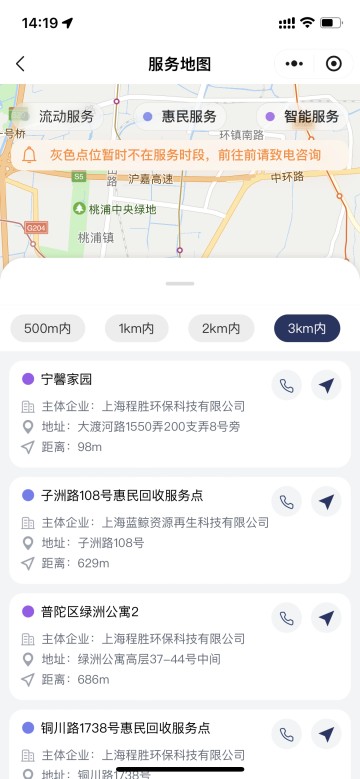
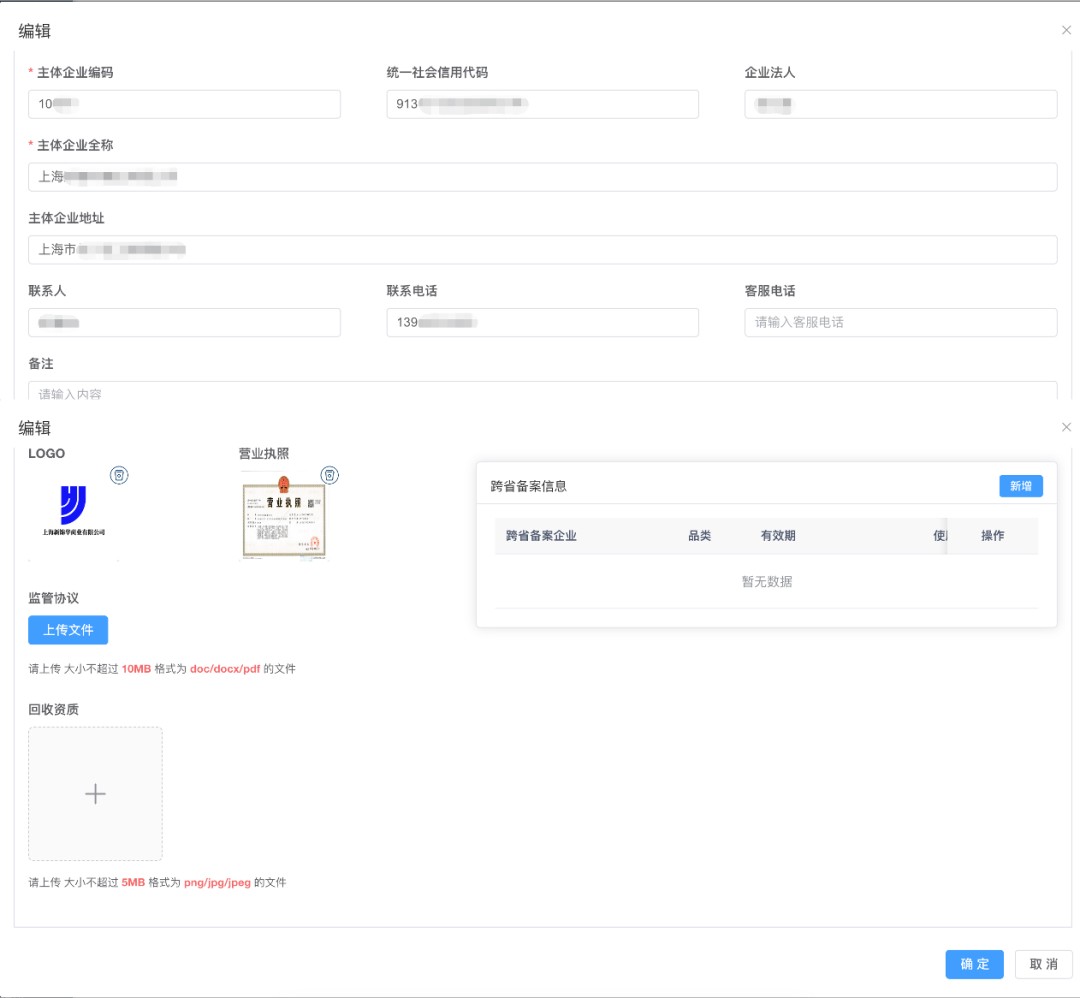
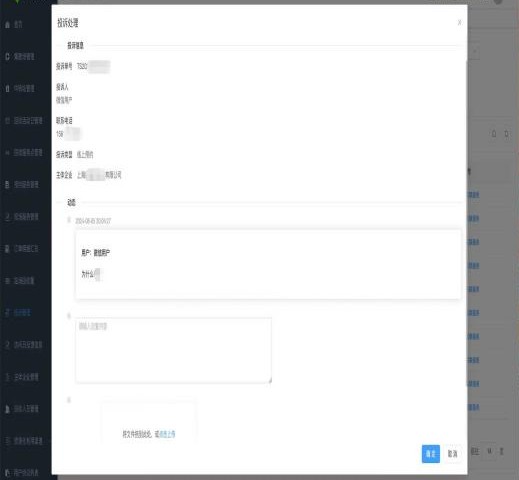
Promote the iterative development of the "Shanghai Recycling" platform. Serving the public, improve the accuracy and convenience of recycling through functions such as intelligent recommendation of recycling points, recording of transaction information, and handling of complaints and evaluations. Empower enterprise management, unify service standards, collect and trace data across the entire recyclable waste chain, maintain operational service information for service points, transfer stations, and distribution centers, and solidify the foundation for regulatory data. Strengthen government supervision, collect industry data such as end-of-life resource utilization information, and implement full-process supervision to achieve full traceability of recycling, transfer, and resource utilization. Strictly implement the network security level protection system and strengthen the data security of the management platform.
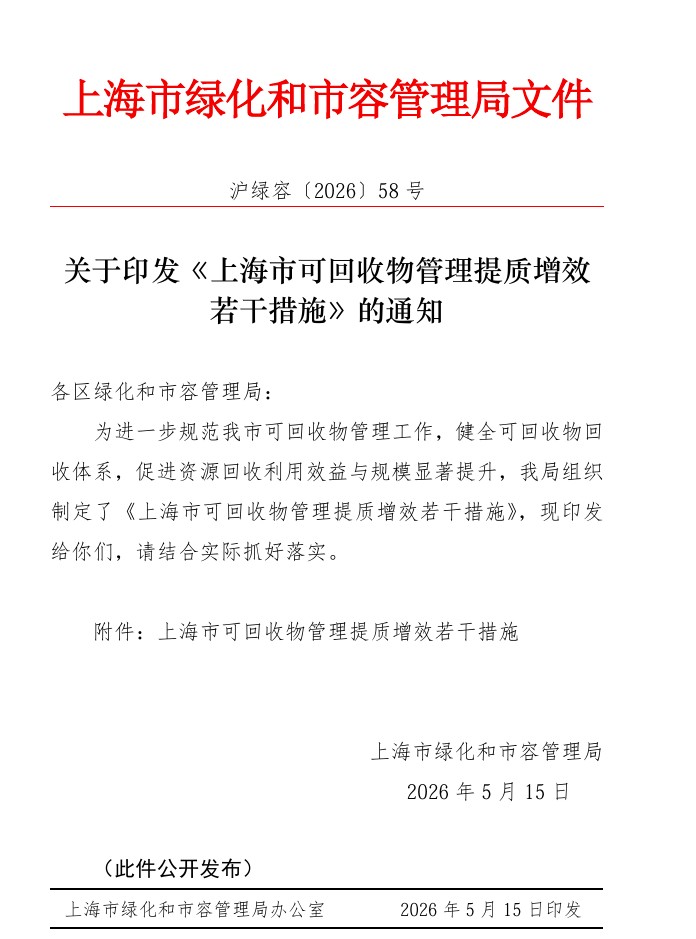

Several Measures for Improving the Quality and Efficiency of Recyclable Waste Management in Shanghai
In accordance with the requirements of Shanghai's Action Plan for Improving the Quality and Efficiency of Household Waste Sorting, and to further standardize the management of recyclable materials in our city, improve the recyclable material recycling system, and significantly enhance the efficiency and scale of resource recycling, the following measures are hereby proposed.
I. Standardize the placement of "public welfare disposal" collection containers. Promote the standardized placement of recyclable waste collection containers. In all residential areas and villages throughout the city (excluding household disposal points), dry waste, wet waste, and recyclable waste collection containers should be placed in groups. The use of larger-capacity recyclable waste collection containers is encouraged to meet the disposal needs of bulky recyclable items such as foam and cardboard boxes. Collection containers must be uniformly labeled.
II. Optimize the "Public-benefit Recycling" Service System. The greening and sanitation management departments of each district should guide sub-districts and towns to strengthen site support for recycling service points, scientifically select and arrange locations, and optimize the recycling system with various service models such as public-benefit recycling, smart recycling, and mobile recycling, creating a convenient 15-minute recycling service circle. Each residential area (village) should solidify and publicize its recycling service model, achieving full coverage of "public welfare placement" and "public-benefit recycling" services for recyclables by the end of August 2026. By 2028, 1,000 new smart recycling bins will be added citywide, achieving a combination of self-service and manual collection, and fixed-point and mobile collection, effectively improving the convenience for residents to deposit and sell recyclables. Districts with suitable conditions are encouraged to explore the establishment of specialized recycling systems based on their actual circumstances, carrying out recycling work for single categories and other special categories.
III. Enhance the capacity to guarantee the basic needs of low-value recyclables. Under the premise of complying with territorial spatial planning and land management laws and regulations, the greening and sanitation management departments of each district should guide all parties to ensure the stability of land use and operation of transfer stations and distribution centers by signing stable long-term land use contracts (guaranteeing the required operational period) and combining this with the layout of sanitation or other facilities. Transfer stations and distribution centers on temporary sites should be gradually included in the public infrastructure land use guarantee. The upgrading and transformation of station facilities and equipment should be promoted according to local conditions to improve the sorting and disposal capacity of low-value recyclables. By the end of 2027, by releasing the comprehensive efficiency of distribution centers, integrating end-of-life disposal resources, and ensuring smooth and stable channels for the disposal of low-value recyclables within and outside the city, the shortcomings in the recycling and utilization of low-value recyclables will be addressed. Leading enterprises are encouraged to build landmark distribution centers.
IV. Improve the source collection and transportation mechanism for "public welfare disposal". Guide residential areas (villages) and units to organize volunteer teams to regularly conduct activities such as promoting recyclable waste sorting knowledge, guiding disposal behavior, and providing door-to-door guidance. Strengthen regular and fixed-point duty, and continuously guide residents to accurately sort and correctly dispose of recyclables according to the sorting standards. Guide the main enterprises to proactively strengthen coordination with residential areas (villages) and units, clarify centralized delivery points, and implement regular collection and transportation of recyclables for "public welfare disposal". Guide property management companies to strengthen daily cleaning of recyclable waste collection containers, conduct overflow inspections, and ensure timely removal. Promote the inclusion of "one community, one plan" for waste sorting in the community's owner management regulations, and implement the responsibility of the property service company's waste sorting management personnel. For areas such as alleyways and old residential areas without fixed disposal points, the local sanitation management department will guide the main enterprises to connect with sanitation operation companies to ensure that all recyclables are collected through temporary bins and regular collection.
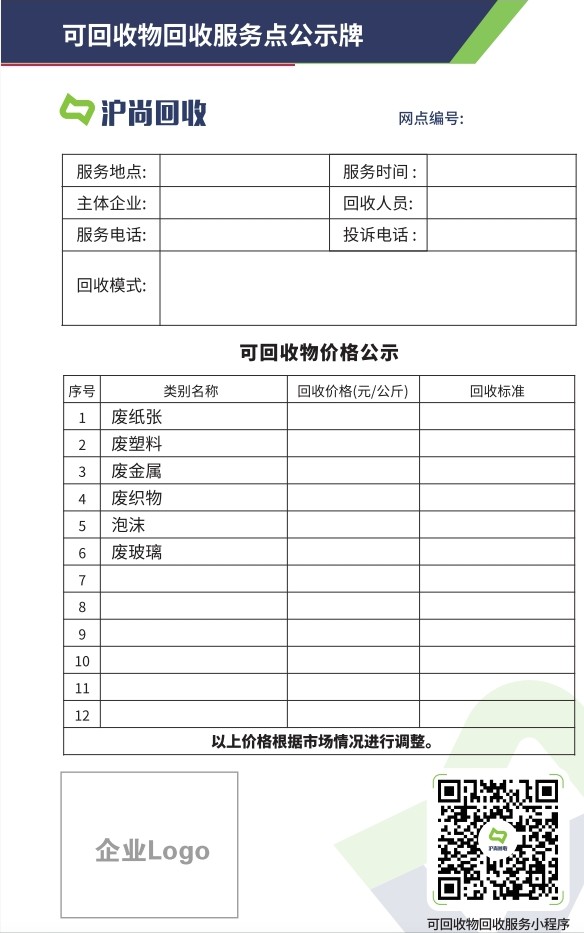
V. Improve the quality of "People-Benefit Recycling" services. Guide participating enterprises to standardize the content and procedures of their publicized information, providing residents with a full range of recyclable waste collection services, ensuring transparent pricing and convenient collection, and effectively meeting residents' daily collection needs. Strengthen daily inspections, fault repairs, and collection scheduling of intelligent recycling equipment to ensure normal equipment operation and smooth exchange channels. Encourage participating enterprises to innovate cooperation models with sanitation workers to improve the convenience for residents to collect recyclables. Establish a "People-Benefit Recycling" service evaluation mechanism, relying on platforms such as "Hu Shang Recycling" to collect resident feedback and promptly handle complaints and suggestions.
VI. Achieve end-to-end metrological data supervision. Guide leading enterprises to standardize recycling metrological management, equip source recycling, transfer, and distribution centers with metrological instruments capable of automatically collecting and uploading data to the "Shanghai Recycling" platform in real time, and implement end-to-end metrological measurement and automatic collection and real-time transmission of key information such as recyclable categories, low-value classifications, weight, and flow . By the end of August 2026, complete the integration of metrological data from each stage into the platform. Strengthen the supervision of the recycling metrological operation processes and platform data of leading enterprises to ensure accurate and standardized metrological measurement at each stage and real-time data upload. Low-value recyclables will be subject to catalog management and dynamic adjustment, mainly including waste glass, mixed plastics and foam in waste plastics, mixed paper and paper-plastic composite packaging in waste paper, waste textiles, and waste wood, etc.
VII. Improve the annual industry evaluation system. Establish and improve a normalized regulatory system, strengthen operational supervision of main enterprises in terms of manpower, premises, vehicles, equipment, and operations, promptly remove disabled or mismanaged intelligent recycling equipment, and ensure that the operation of main enterprises meets the recycling service needs within the jurisdiction. The annual service quality evaluation of main enterprises shall be completed by the end of November each year, and the evaluation results shall be truthful and fair, serving as an important basis for the bidding process of main enterprises.
8. Innovate diversified incentive models for source recycling. Explore recycling and carbon offsetting based on scientific and operational principles. A coordination mechanism will be established. Resources from all parties will be pooled to further leverage the public service role of the "Hu Shang Recycling" platform, establishing an incentive mechanism for "public welfare disposal of recyclables" to encourage residents to actively sort and dispose of recyclables. The platform will be encouraged to strengthen cooperation with banks and other financial institutions, promoting the development of green credit and green bonds to empower standardized and large-scale recyclable waste management companies. The implementation of the extended producer responsibility system will be encouraged. To fully leverage the mechanisms of corporate social responsibility.
IX. Implement the "performance-based subsidy" mechanism. Using the actual amount of low-value recyclables collected and the effectiveness of services as the core evaluation indicators, each district should optimize and improve its special subsidy policy for low-value recyclables based on its actual situation. A safety net subsidy should be provided for the volume of low-value recyclables collected and the coverage of services to ensure the stable operation of the recycling system. Innovative incentive methods should be adopted for supervisors and volunteers at residential (village) collection points to strengthen their role in monitoring and guiding recyclable waste disposal. Combining volunteer incentives with the effectiveness evaluation of residential (village) waste sorting should be encouraged to better form a collaborative force for community governance.
10. Upgrade the platform to empower intelligent supervision and services. Promote the iterative development of the "Hu Shang Recycling" platform. Serving the public, improve the accuracy and convenience of recycling through functions such as intelligent recommendation of recycling points , recording of transaction information, and handling of complaints and evaluations . Empower enterprise management, unify service standards, collect and trace data across the entire recyclable waste chain , maintain operational service information for service points, transfer stations, and distribution centers, and solidify the foundation of regulatory data. Strengthen government supervision, collect industry data such as end-of-life resource utilization information, and implement full-process supervision to achieve full traceability of recycling, transfer, and resource utilization. Strictly implement the network security level protection system and strengthen the data security of the management platform.
XI. Establish a comprehensive and long-term operational mechanism. Strengthen organizational leadership, enhance city-district collaboration, clarify the division of responsibilities, refine implementation plans, and incorporate the management of the recyclable waste industry and the operational effectiveness of key enterprises into the district-level assessment indicator system for household waste sorting. Guide districts to further standardize the bidding process for key enterprises, sign operation service agreements, and establish a full-chain supervision system for recyclable waste to ensure that key enterprises operate legally and compliantly, that the flow of recyclables is clearly traceable, and that the recycling system operates stably. Extensively carry out public awareness and promotion activities to enhance residents' enthusiasm for participating in recyclable waste sorting.
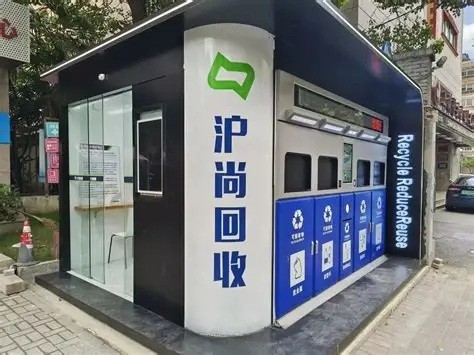
In accordance with the requirements of the "Shanghai Municipal Action Plan for Improving the Quality and Efficiency of Household Waste Classification (2026-2028)," and to further standardize the management of recyclable materials in Shanghai, improve the recyclable material recycling system, and significantly enhance the efficiency and scale of resource recycling, a series of measures have been formulated to comprehensively promote the improvement of the quality and efficiency of recyclable materials. Let's learn more about the details! Regarding source distribution To further solidify the foundation of front-end sorting and improve citizen participation and disposal accuracy, the system will be optimized at the source disposal stage, focusing on three dimensions: diversified service models, standardized facility configuration, and precise publicity and guidance. The goal is to build a recycling service network that is rationally laid out, standardized in service, and efficient in operation. "3+1" recycling model Three types of people-benefiting recycling models The main recycling models for recyclable materials include smart recycling, community-based recycling, and mobile recycling. The greening and landscaping management departments of each district should guide sub-districts and towns to scientifically plan the layout of recycling service points, ensuring that each community selects at least one model to provide recycling services to residents. Smart recycling service bins: They are equipped with comprehensive recycling functions for multiple categories of recyclable materials such as waste paper, waste plastic, waste glass, waste metal, and waste textiles. They are open 24 hours a day and can be deposited by scanning a code.

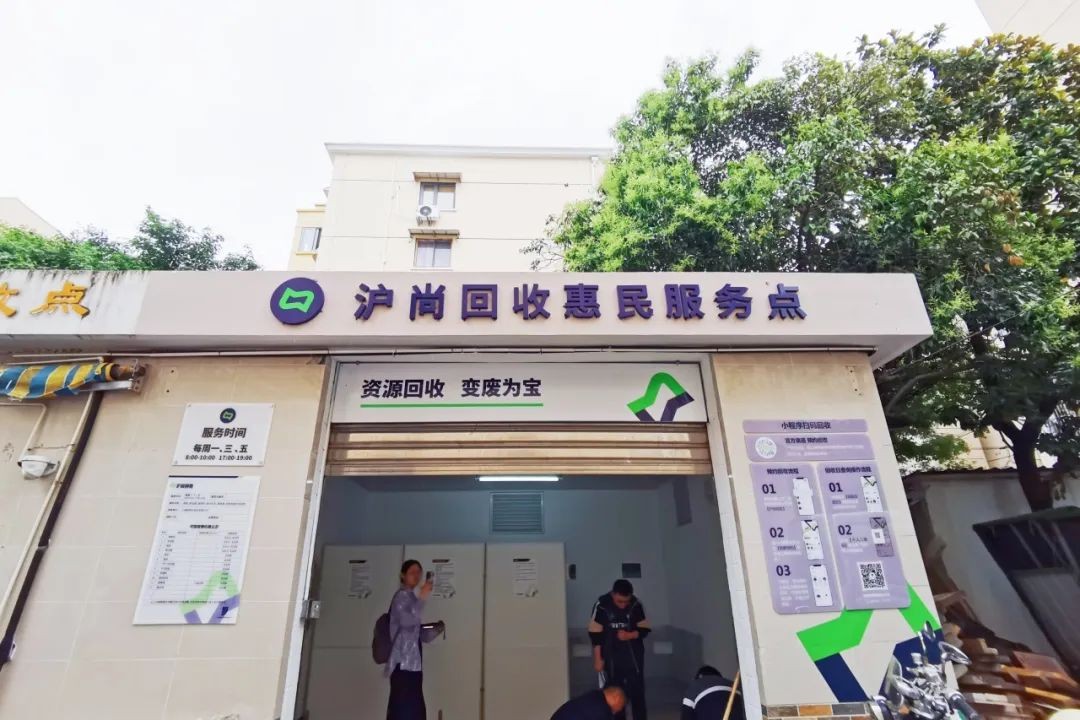
Huimin Recycling Service Points: These points provide refined recycling and trading services for recyclable materials, and also serve as educational centers for waste sorting and resource recycling, as well as for exchanging or trading idle items. They have relatively ample space and can serve surrounding communities, achieving a "15-minute service circle".
Mobile recycling service stalls: These are stalls set up within residential areas or villages where residents regularly gather and sell common types of recyclables. Service hours should be relatively fixed, with stalls operating at least three times per month.
One type of safety net mechanism: public welfare collection points for recyclable materials. To enhance the level of recyclable waste disposal services and improve the quality of source separation, each residential area and village waste disposal point should be equipped with recyclable waste collection containers. The containers should meet the needs of large recyclable items and be configured in groups with dry and wet waste containers. 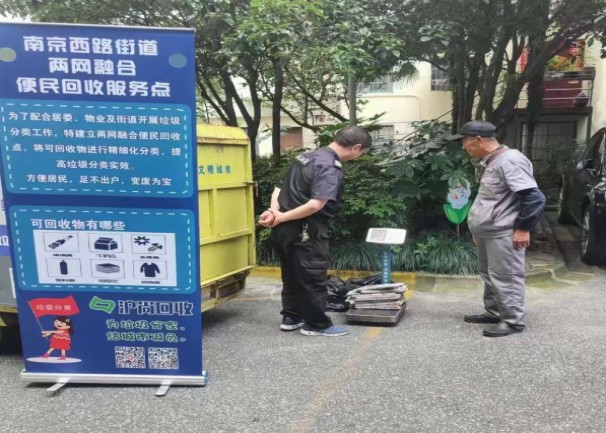
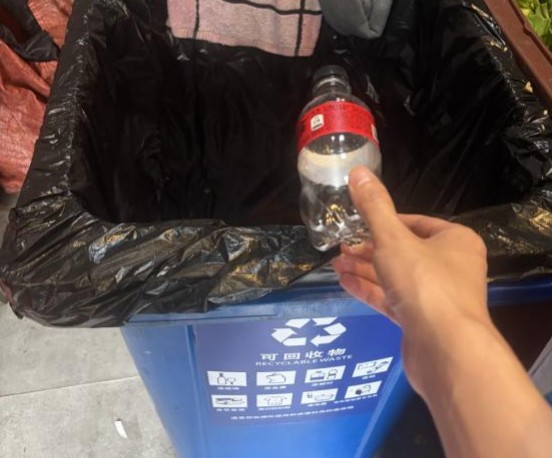
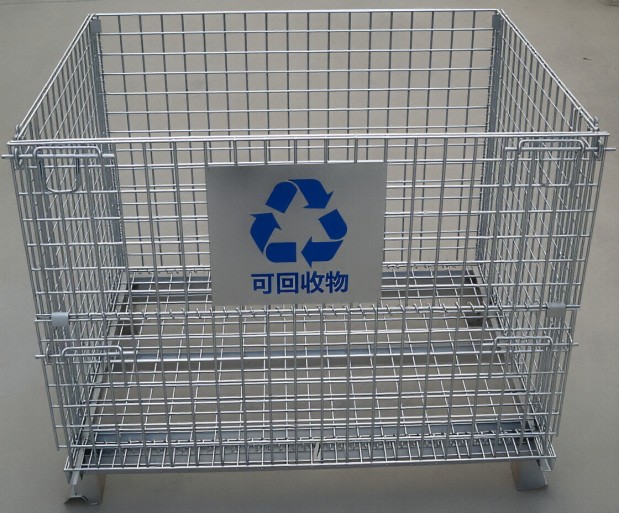
The Municipal Greenery and Public Sanitation Bureau has standardized the design of four types of promotional materials: service information boards, science popularization materials, carbon credit information, and materials introducing incentives for public welfare waste disposal. Specifically, service information boards are posted at one garbage collection point in each residential community; and service information boards, carbon credit information, and materials introducing incentives for public welfare waste disposal are posted at recycling service points.
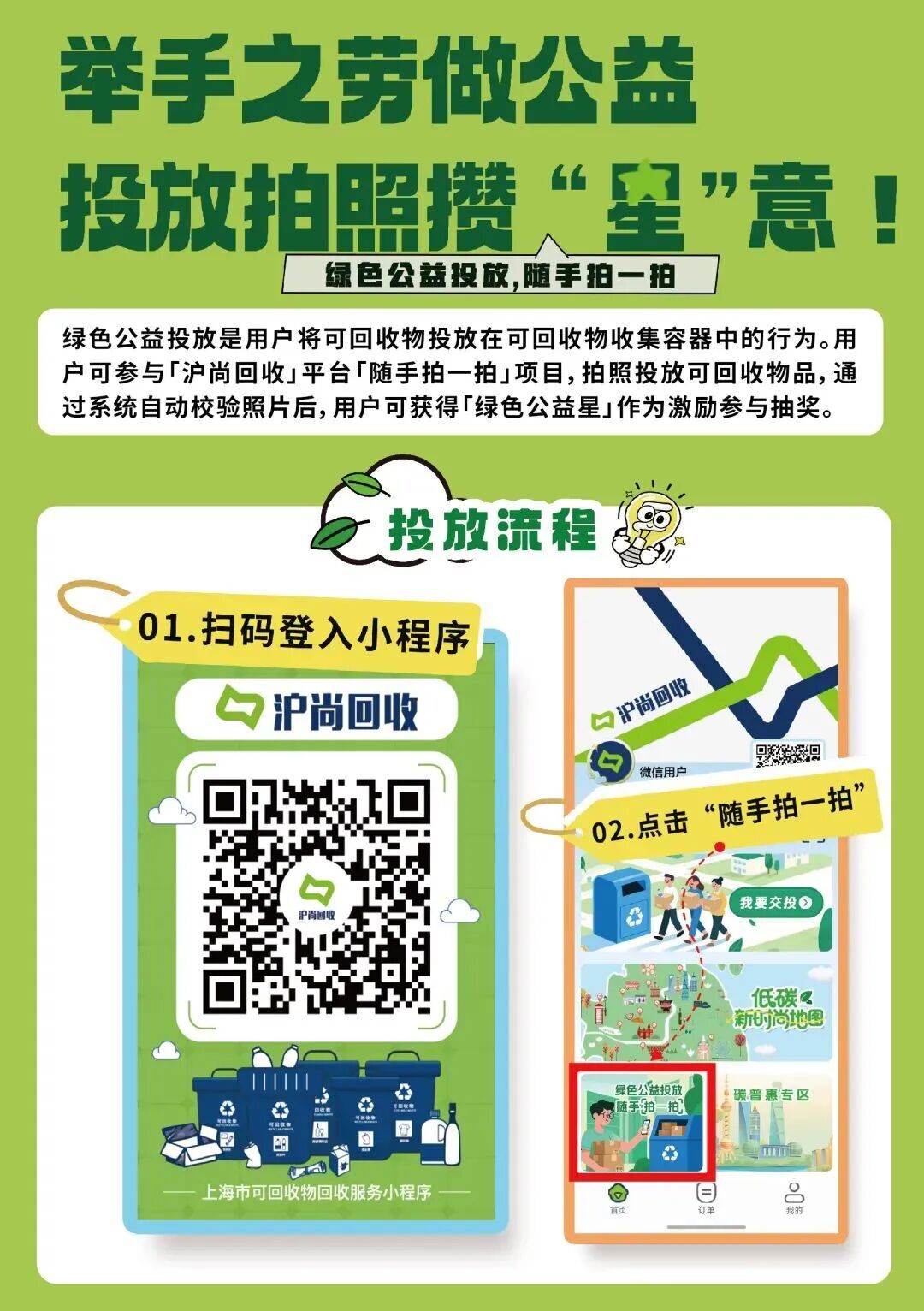
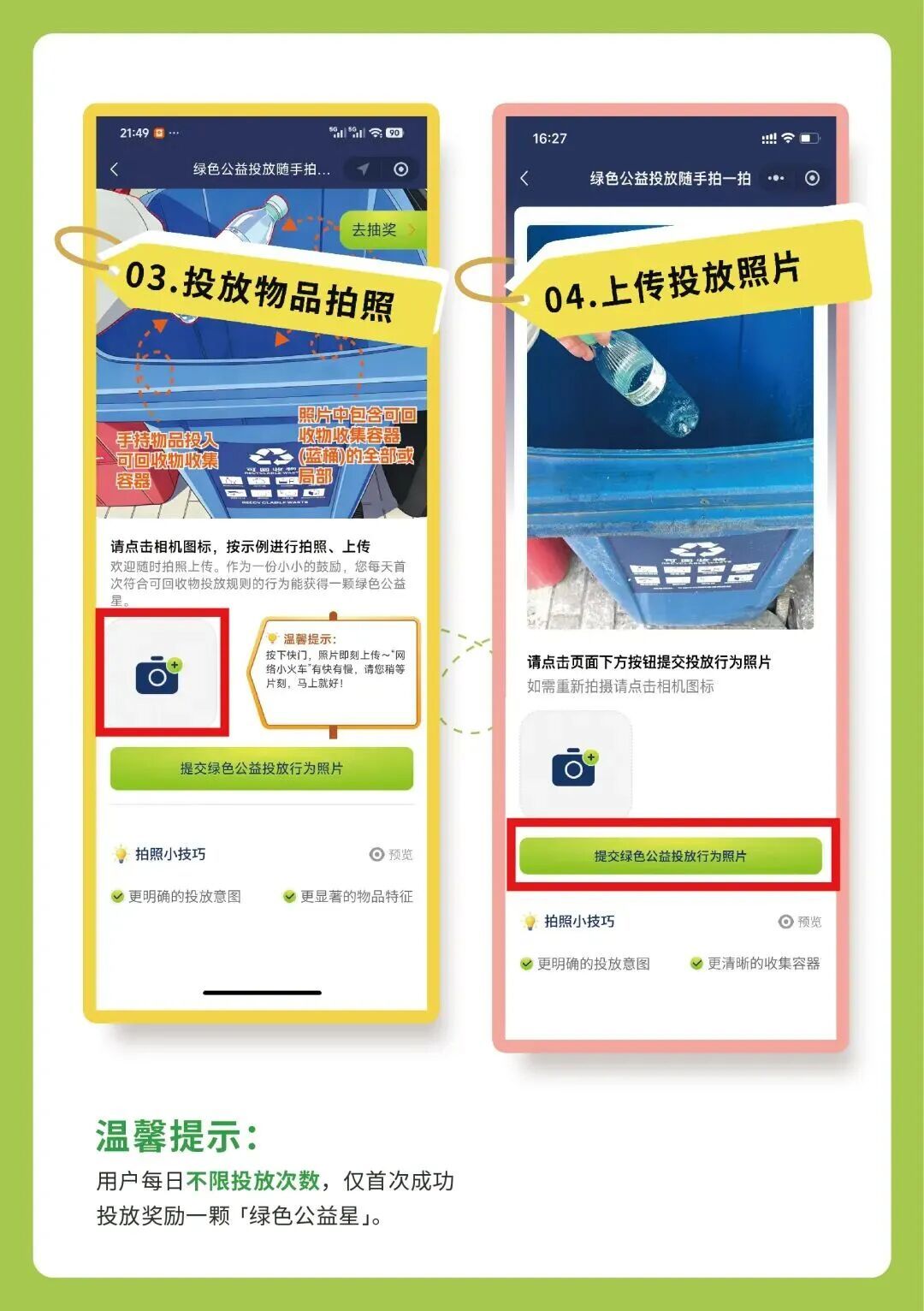
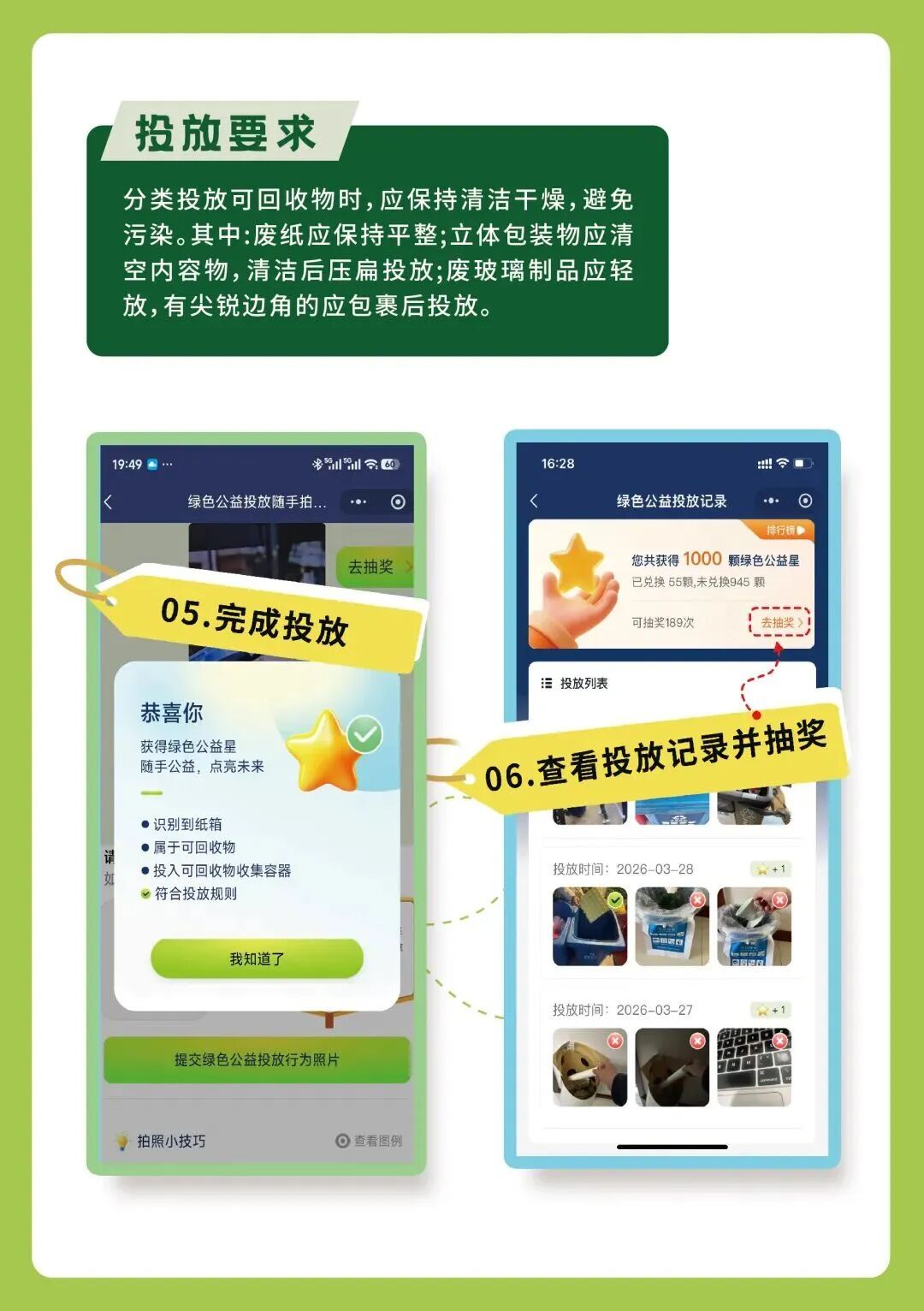
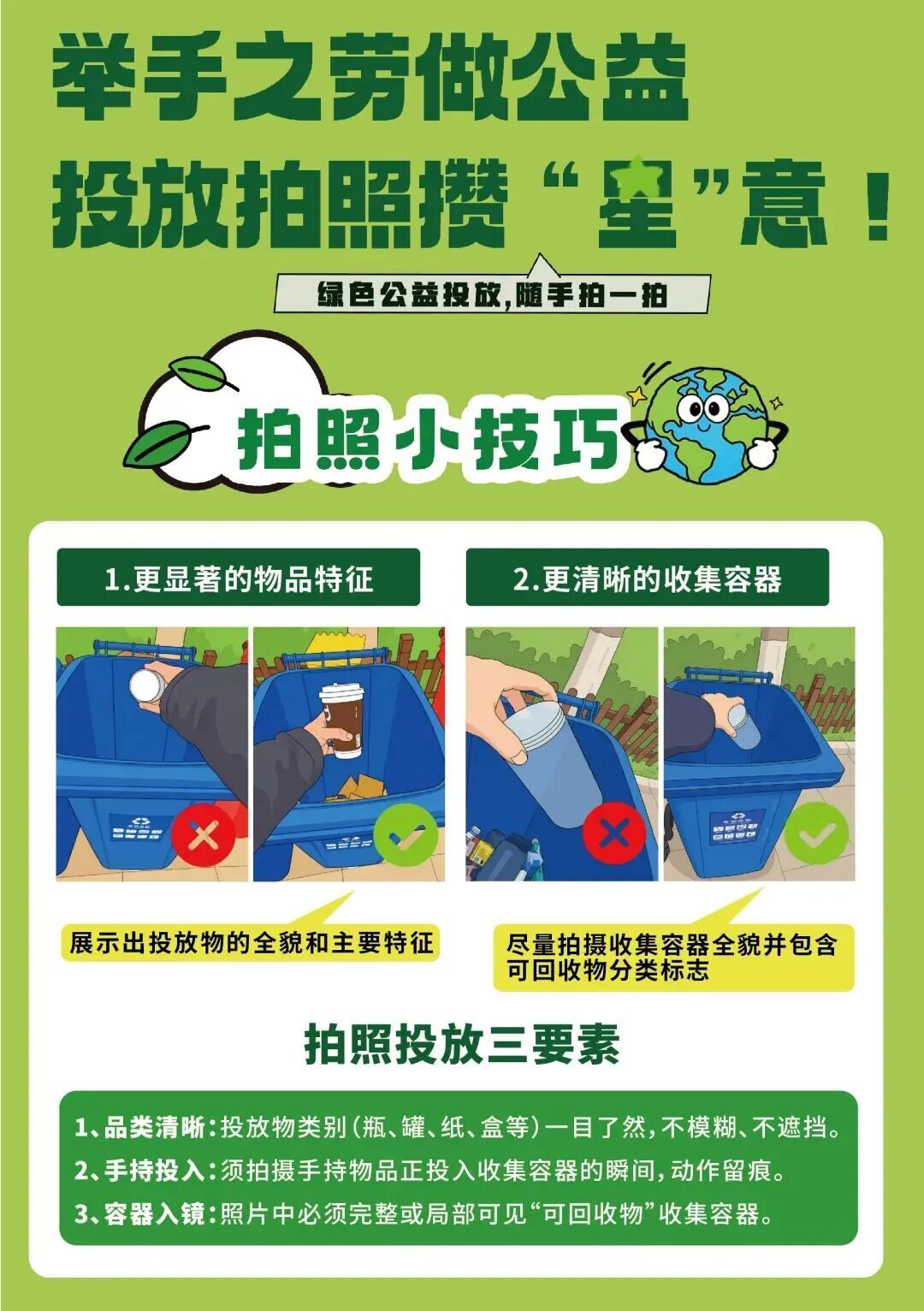
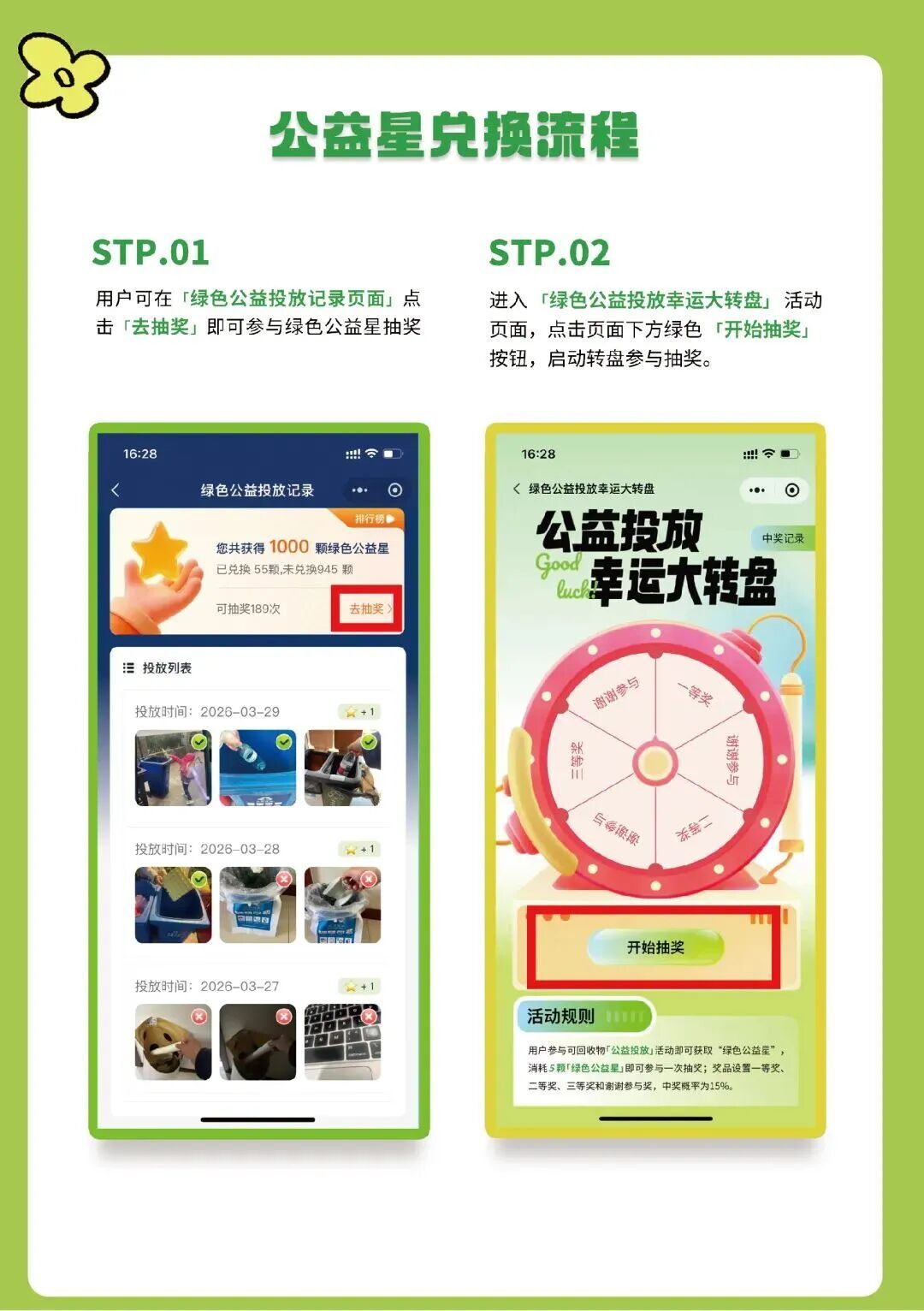
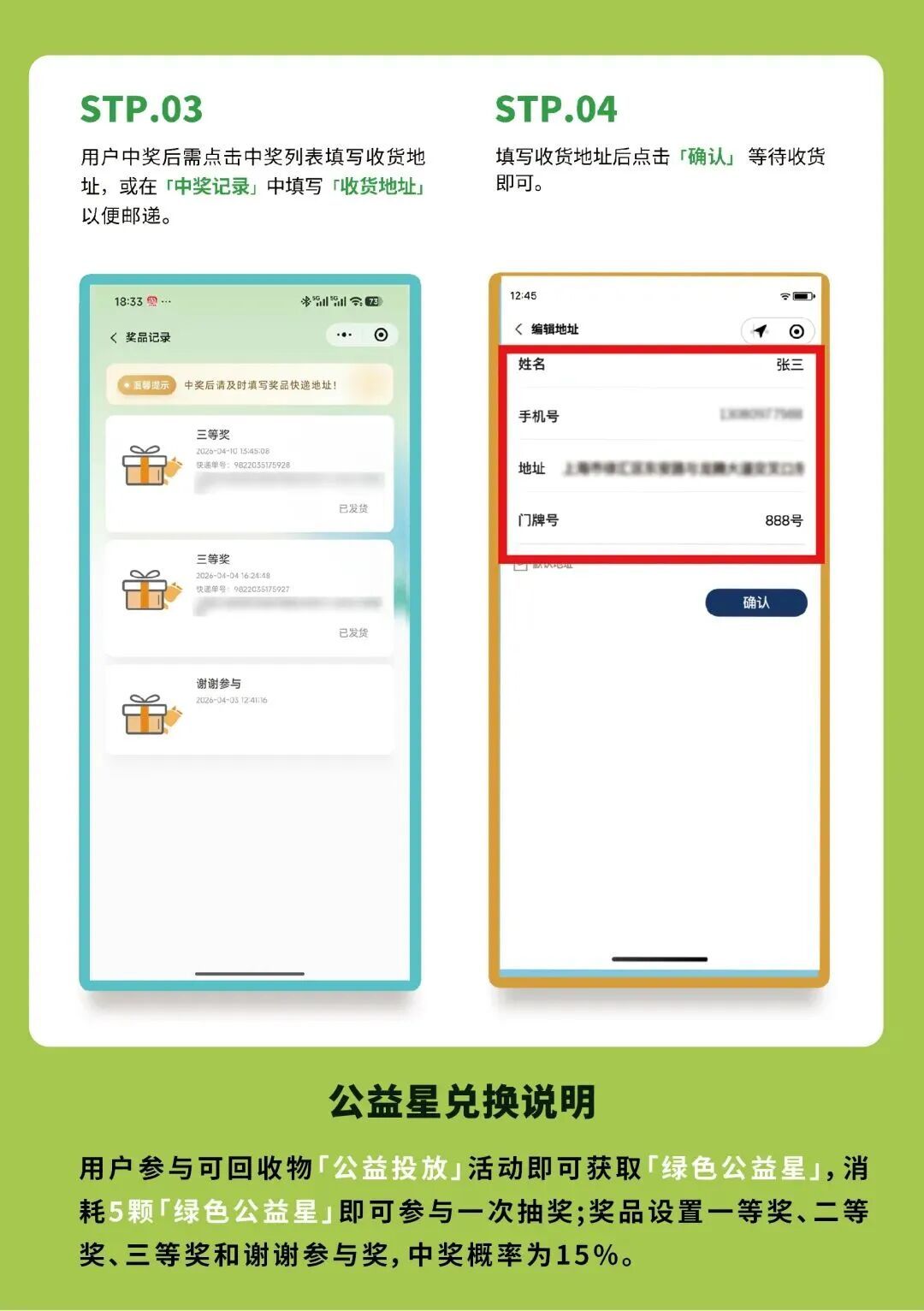
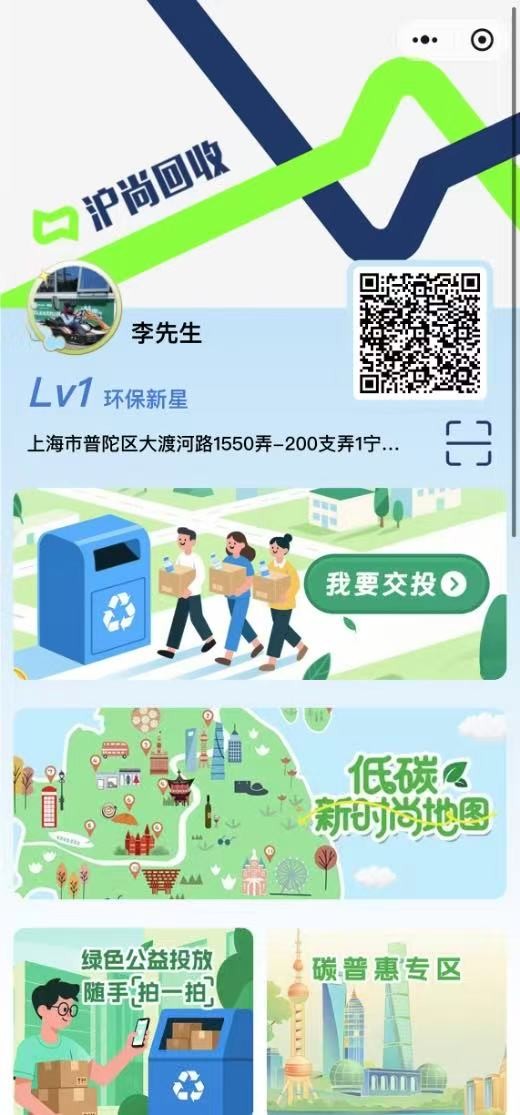
Incentives for public welfare activities To promote a green and low-carbon lifestyle and improve the separation and recycling rates of recyclables, this policy introduces a special incentive mechanism for public welfare donations to encourage residents to actively donate and sell recyclables and stimulate their enthusiasm for participation. The incentive mechanism for public welfare waste disposal refers to a reward system for residents' public welfare waste disposal behavior, which aims to stimulate residents' enthusiasm for participation, standardize disposal behavior, and improve the separation rate and recycling rate of recyclables. Citizens can register and log in via the "Hu Shang Recycling" WeChat mini-program by authorizing their mobile phone number and access the "Public Welfare Disposal" module. Each time a disposal is made, a photo is taken and uploaded. The system uses AI image recognition to automatically verify three elements: "clear category, handheld disposal item, and visible container." Once verification is successful, the behavior is recorded. The first successful disposal each day earns one "Public Welfare Classification Star," and accumulating five stars allows participation in a prize draw. Regarding transshipment Transportation To further regulate the transit and transportation of recyclables, this policy sets forth stricter requirements regarding collection timeliness and data measurement. Regarding collection efficiency, public collection points must be emptied at least once every two weeks; smart recycling bins must be emptied within 4 hours when they are nearly 80% full; community recycling service points must operate at least every 3 days per week, and if only smart recycling service bins are used, they must be emptied within 2 hours when they are nearly 80% full; mobile recycling service stalls must operate at least every 3 days per month. Regarding data measurement, all types of recyclables collected at the source should be re-weighed using measuring instruments at transfer stations, categorized by type, to ensure that the source measurement data matches the transfer station's warehousing data in terms of category and weight, forming a closed-loop verification. For recyclables transferred between transfer stations or between transfer stations and distribution centers, only the transfer volume is counted, not the recycling volume. Requirements for the construction of transfer stations Transfer stations are key nodes in the recyclable waste collection and transportation system. This policy sets forth clear requirements regarding station setup, land use guarantees, facility configuration, and operation management. In terms of setup and layout, each street (township) should ideally have one transfer station. Areas with limited space within the outer ring road can be jointly constructed by adjacent streets. The area of a street-level transfer station should be no less than 150 square meters, and the area of a township-level transfer station should be no less than 500 square meters. The station should include functional zones such as weighing, sorting, storage, and loading/unloading areas. Regarding land use and leasing, transfer stations should preferably be built on municipal land, with priority given to co-construction with sanitation facilities. If leasing is adopted, operators should hold lease contracts or land use agreements for 10 years or more to ensure stable operation. In terms of facilities and equipment, the transfer station should have a perimeter wall and a roof over the work area, with waterproof and seepage-proof ground treatment, and a "Hu Shang Recycling" sign should be prominently displayed. Weighing and measuring instruments must pass mandatory verification and be verified at least once a year. It is advisable to be equipped with sophisticated sorting, volume reduction, and loading/unloading equipment, as well as fire protection, drainage, and electronic monitoring facilities. In terms of operation and management, transfer stations must post service notices in prominent locations and maintain a clean environment. Inbound and outbound data must be uploaded to the "Hu Shang Recycling" platform in real time, and an "inventory management" ledger must be established to ensure traceability of origin and controllability of flow. Key areas such as weighing and unloading areas will be subject to video surveillance, and records must be kept for no less than 30 days. Subcontracting and transfer of contracts are strictly prohibited. Regarding end-use Distribution centers are the final hubs in the recyclable waste recycling system, undertaking the core functions of professional and meticulous sorting, dismantling, packaging, and storage of goods transferred from transit stations. Compared with transit stations, distribution centers have higher standards in terms of functional positioning, land use guarantees, facility configuration, and regulatory requirements. Requirements for the construction of distribution centers In terms of setup and layout, one distribution center should be set up in each suburban area. In the central urban area, this can be achieved through entrusting market-oriented enterprises, co-construction with neighboring suburban areas, or relying on large state-owned enterprises in the city. The distribution center should have complete functional zones including commodity trading, sorting and processing, warehousing and distribution, supporting services, and office areas, and should maintain a certain safe distance from residential areas to avoid affecting residents' lives. Regarding land use, the distribution center should preferably be built on municipal land, and lease agreements should be held for at least 10 years. In terms of special facilities and functions, in addition to sorting, packaging, fire protection, drainage and monitoring facilities, the distribution center can also be equipped with production-oriented scrap metal cutting and crushing equipment, but must have the corresponding qualifications. In terms of operation and management, the requirements for weighing and measurement, environmental management, environmental protection requirements, data uploading, outbound verification, and inter-provincial transfer registration at the distribution center are basically the same as those for the transit station. Subcontracting is strictly prohibited. Supporting policies Regarding subsidy policies, the actual amount of low-value recyclables collected and the effectiveness of services will be the core indicators. Special subsidy policies will be optimized and improved, providing a safety net subsidy for the target amount and service coverage to ensure the stable operation of the recycling system. Furthermore, innovative incentive methods for community supervisors and volunteers will be encouraged, strengthening the duty and guidance at collection points to form a collaborative force for community governance. Regarding supervision and management Measurement Management Each district should guide major enterprises to standardize recycling measurement management, equipping source recycling, transfer stations, and distribution centers with measuring instruments that automatically collect and upload data in real time to the "Shanghai Recycling" platform. This will ensure that data from the entire process of recyclable material collection, warehousing, and dispensing is uploaded to the "Shanghai Recycling" platform in real time. Simultaneously, a recyclable material ledger verification mechanism should be established to ensure traceability of sources, controllable flow, and accurate measurement. Service quality evaluation Each district, in conjunction with its sub-district offices, should conduct an annual service quality evaluation by the end of November each year, focusing on multiple dimensions including system construction, operation and maintenance, environmental effectiveness, service effectiveness, technological empowerment, and social responsibility, in accordance with the "Shanghai Municipal Recyclable Waste Recycling Entities Service Quality Evaluation Form." The evaluation results must be truthful and impartial and will serve as an important basis for the bidding process of the main enterprises. Regulatory Agreement Each district or subdistrict should further standardize the bidding process for main enterprises and sign an "Operation and Service Supervision Agreement for Main Enterprises" with them, clarifying the rights and responsibilities of all parties. A comprehensive supervision system covering the entire chain of recycling, transportation, sorting, and disposal should be established to ensure that enterprises operate legally and compliantly, and that the flow of recyclable materials is clearly traceable. At the same time, daily supervision should be strengthened, and an exit mechanism should be established to effectively guarantee the stable operation of the recycling system. Information technology construction In terms of information technology development, this policy aims to break down data barriers across the entire recyclable waste supply chain, enabling full traceability and precise control from source disposal to end-use, while also using digital means to improve the convenience of citizen participation and the standardization of enterprise operations. Serving the citizens Citizens can register and complete real-name authentication through the "Hu Shang Recycling" WeChat mini-program for one-click recycling. The platform intelligently recommends nearby recycling points and supports map searches for addresses, times, categories, photos, and other information. A new "Carbon Benefits" module has been added, allowing citizens to create personal carbon accounts after real-name registration. The platform automatically calculates carbon reductions and converts recyclables into carbon credits, which can be used to redeem goods or benefits. A new "Public Welfare Donation Incentive" module has also been added, where citizens can earn "Public Welfare Stars" by donating recyclables. Accumulating 5 stars allows them to participate in a prize draw. Empowering Enterprise Management The main enterprise can dynamically update and publicly display information such as service points, stations, and vehicles in real time. Improve navigation and location services and complaint feedback functions to ensure a closed-loop process for handling complaints within a specified time. Achieve real-time data uploading for the entire process of recycling, warehousing, and outbound delivery to ensure traceability of origin, controllable flow, and accurate measurement. Strengthen government regulation A three-tiered digital supervision system at the city, district, and sub-district levels has been established to collect all industry data. A verification mechanism at designated points, stations, and sites has been implemented, with dynamic updates to records. The recycling volume and service quality of major enterprises are monitored, enabling full-chain traceability of all categories and low-value recyclables. Early warning alerts and multi-dimensional evaluation mechanisms have been added, with comparisons made with the evaluation results from various districts. The series of measures introduced this time systematically optimize the operation mechanism of the city's recycling system, focusing on the five key aspects of recyclable waste collection: "placement, collection and transportation, processing, supervision and information technology". By improving the service network, strengthening the main responsibilities, ensuring end-of-life disposal, improving the regulatory system, and enhancing the level of informatization, the aim is to build a more stable, efficient, and sustainable recyclable waste recycling system and promote waste sorting and resource recycling to a new level.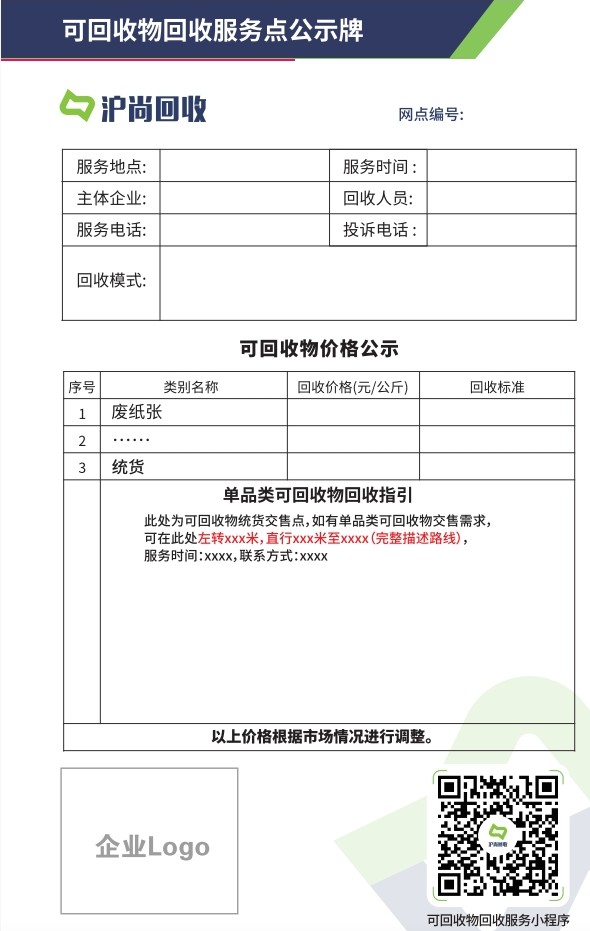
About RESOLAR
Shanghai RESOLAR Energy Technology Co., Ltd. is committed to becoming a recycled material photovoltaic group with deep decarbonization. RESOLAR focuses on technological innovation and builds a world-leading solution for component recycling, impurity removal of damaged cells, recycled silicon materials and cells, and cascaded utilization of components. With professional technology and services, we help customers realize the recycling and reuse of waste photovoltaic resources, and make positive contributions to the development of environmental protection and new energy industries. For more detailed information, you can browse the official website: www.resolartech.com .

Latest developments/news
Contact information
Service Hotline: 13585742918 (Monday to Friday 9:00-18:00)
Enterprise email: ps@resolartech.com (Reply within 48 hours after receiving the email consultation!)
Company Address: Building 8, No. 1528, Wangxu East Road, Fengjing Town, Jinshan District, Shanghai (Caohejing Fengjing Park)