


English
News Center
—— NEWS CENTER ——
In circularity research focused on Australia, antimony is explicitly identified as one of the toxic metals commonly found in photovoltaic modules, alongside lead and, in some cases, cadmium.
Two practical costs of antimony-containing glass in Europe
- It cannot be returned to float-glass production: without treatment, it can only be downcycled into road base material or concrete aggregate, reducing the value of the glass to virtually nothing.
- Dust and leaching risks: antimony is immobilized in intact glass. Current recycling processes that preserve whole sheets of glass are not yet viable for mass production, and processing efficiency is extremely low. However, if physical crushing or tunnel-furnace pyrolysis is carried out in open operations, Sb₂O₃ can become airborne in fine dust. Long-term exposure poses a risk to workers’ respiratory systems.
If you are planning to build a photovoltaic recycling line in Europe, RESOLAR can provide process support.
About RESOLAR
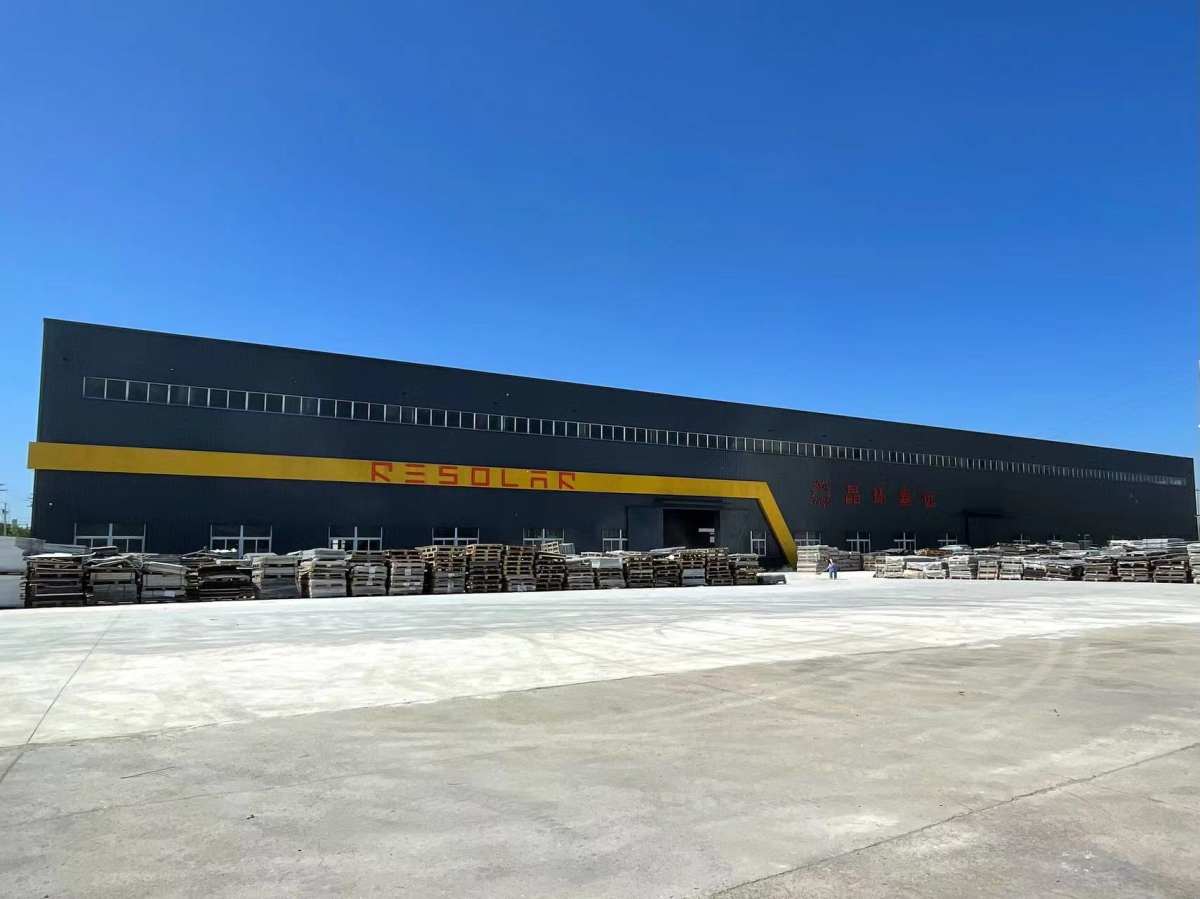
Shanghai RESOLAR Energy Technology Co., Ltd. is committed to becoming a recycled material photovoltaic group with deep decarbonization. RESOLAR focuses on technological innovation and builds a world-leading solution for component recycling, impurity removal of damaged cells, recycled silicon materials and cells, and cascaded utilization of components. With professional technology and services, we help customers realize the recycling and reuse of waste photovoltaic resources, and make positive contributions to the development of environmental protection and new energy industries. For more detailed information, you can browse the official website: www.resolartech.com .

Latest developments/news
Contact information
Service Hotline: 13585742918 (Monday to Friday 9:00-18:00)
Enterprise email: ps@resolartech.com (Reply within 48 hours after receiving the email consultation!)
Company Address: Building 8, No. 1528, Wangxu East Road, Fengjing Town, Jinshan District, Shanghai (Caohejing Fengjing Park)