



English
News Center
—— NEWS CENTER ——
According to the Implementation Plan for Establishing a Comprehensive Evaluation System for Enterprise Credit Status issued in March 2026 and the Announcement on Publicly Soliciting Opinions on the Measures for Credit Management in the Bidding and Tendering Sector (Draft for Public Comment) issued in April 2026, together with multiple background factors such as the arrival of a large-scale retirement wave of photovoltaic modules, the implementation of the special policy on photovoltaic recycling by six ministries and commissions, and the improvement of industry environmental protection and technical standards, photovoltaic recycling bidding and tendering will completely bid farewell to the previous fragmented, highest-price-wins, barrier-free extensive model, and move toward a profound transformation in the direction of credit standardized access criteria, refined graded evaluation, full-process compliance, hard-core technical qualification requirements, and coordinated national rather than local unified regulation, bringing a comprehensive reshaping of the industry bidding and tendering landscape.
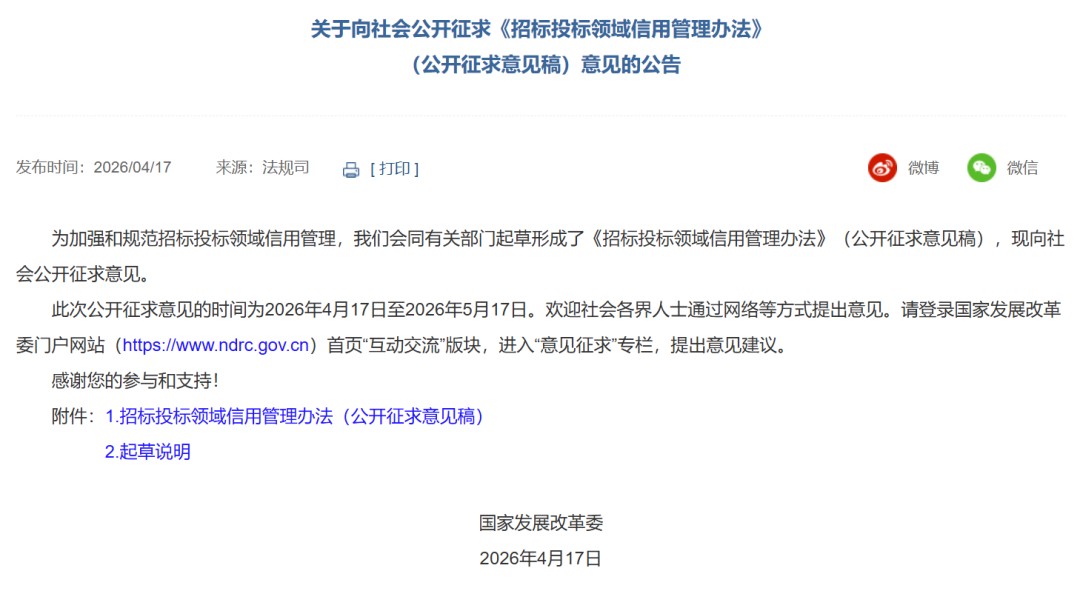
The Announcement on Publicly Soliciting Opinions on the Measures for Credit Management in the Bidding and Tendering Sector (Draft for Public Comment) emphasizes that the state permits and encourages tenderees to use an enterprise's official public credit rating as an important reference basis throughout the entire bidding and tendering process. In the future, enterprises with better credit may pay reduced bid security deposits, be exempted from paying them, or replace them with guarantee letters; for those with poor credit, full or even doubled security deposits may be considered. For enterprises with high credit ratings, higher advance payment ratios and faster payments may be granted; for enterprises with poor credit, advance payments may be reduced and payment schedules strictly controlled to lower the risk for Party A.
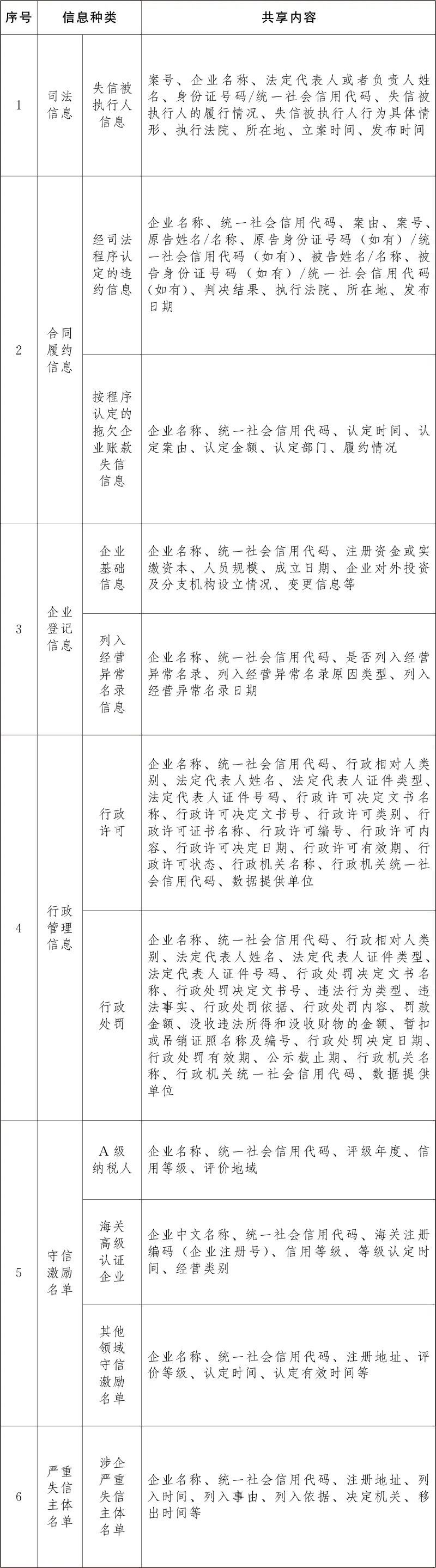
01 Notice of the General Office of the State Council on Issuing the Implementation Plan for Establishing a Comprehensive Evaluation System for Enterprise Credit Status Guo Ban Fa [2026] No. 8 General Office of the State Council Issued on March 29, 2026 I. Establish the institutional framework for the comprehensive evaluation system of enterprise credit status. The comprehensive evaluation of enterprise credit status mainly includes public credit evaluation and market-oriented credit evaluation. Public credit evaluation is organized and carried out by government departments in accordance with the principle of public welfare, reflecting enterprises' compliance with laws, regulations, and relevant administrative provisions, and mainly serving government administration. Market-oriented credit evaluation is carried out by third-party institutions such as credit reporting agencies, credit rating agencies, and industry associations and chambers of commerce in accordance with laws and regulations, reflecting the default risk of enterprises participating in market activities, and mainly serving market activities such as financing, credit extension, and commercial dealings. To better发挥 the foundational role of public credit evaluation results in the comprehensive evaluation of enterprise credit status, public credit evaluation and market-oriented credit evaluation shall be promoted to integrate with each other, gradually forming a unified comprehensive evaluation system for enterprise credit status. III. Unify the rules for public credit evaluation. In principle, public credit evaluation indicator data shall be sourced from public credit information, and may, as appropriate, include other information generated or obtained by relevant departments in the course of performing their duties that can reflect enterprise credit status. Evaluation results shall in principle be classified from high to low into “A”, “B”, “C”, and “D” four grades; where evaluation results adopt a scoring system, the score ranges corresponding to the four grades shall be clearly defined. The interval between two evaluations for the same entity shall not exceed one year at the longest, and departments with the necessary conditions may, based on actual circumstances, increase the evaluation frequency. Rules related to public credit evaluation shall be made public to society. No region or department may, in the name of public credit evaluation, illegally set access barriers, implement local protection, or interfere with the autonomous transactions of business entities; nor may they impair the public services that business entities are entitled to obtain in accordance with the law, or hinder the building of a unified national market. IV. Unify the management of industry credit evaluation. Industry主管 departments that carry out industry credit evaluation shall formulate nationally unified evaluation rules for their respective industries, including evaluation indicators, evaluation methods, evaluation procedures, grade classifications, result application, etc. Industry主管 departments shall, based on industry credit evaluation results, implement differentiated supervision over regulated entities, and refer to industry credit evaluation results in work such as appraisal and awards, provision of green channels and other enterprise-benefiting services, and granting fiscal subsidies and rewards. If industry主管 departments have not formulated unified credit evaluation rules, localities shall in principle not independently carry out industry credit evaluations; where it is indeed necessary to do so, the relevant evaluation rules must be submitted for approval by the industry主管 departments. V. Unify the disclosure channels for public credit evaluation results. Relevant departments may proactively disclose to the public, or disclose upon application, public credit evaluation results. The National Credit Information Sharing Platform aggregates public credit evaluation results and, with the consent of the data source entity, shares them with relevant departments as needed. Public credit evaluation results are disclosed through the “Credit China” website and the websites of industry主管 departments, and enterprises may check their own evaluation results and may also authorize other entities to make inquiries. VI. Improve the coordination mechanism for industry credit evaluation. Industry主管 departments shall incorporate public credit comprehensive evaluation results into the industry credit evaluation indicator system, with specific weights determined according to actual circumstances. Where the public credit comprehensive evaluation is rated “D”, the industry credit evaluation shall not be rated “A”. Relevant departments and entities shall, in accordance with the catalog of public credit comprehensive evaluation data and their duties, promptly share relevant data with the National Credit Information Sharing Platform by means of physical aggregation. The National Development and Reform Commission shall promptly push public credit comprehensive evaluation results to relevant local departments. X. Improve the mechanism for updating and adjusting evaluations after credit repair. After the minimum public disclosure period expires, enterprises may submit credit repair applications through the “Credit China” website for dishonest information including administrative penalties, lists of seriously dishonest entities, and abnormal records. After receiving a credit repair application, the “Credit China” website shall promptly forward it to the relevant industry主管 departments for processing in accordance with the principle of “who determines, who repairs.” Where the repair conditions are met, the relevant departments shall promptly update the information and carry out public credit evaluation based on the updated information. The “Credit China” website shall establish a sharing mechanism for credit repair results with third-party institutions, which shall synchronously update enterprise credit information and conduct credit evaluations of enterprises based on the updated information. Specific repair work shall be implemented in accordance with the Implementation Plan for Further Improving the Credit Repair System issued by the General Office of the State Council (Guo Ban Fa [2025] No. 22), etc. XII. Implement responsibilities for credit evaluation management. The National Development and Reform Commission shall strengthen overall planning and coordination and take the lead in establishing and improving the comprehensive evaluation system for enterprise credit status. Industry主管 departments shall strengthen the guidance and management of local industry credit evaluation work, conduct comprehensive inspections and rectification of cases where localities independently carry out enterprise credit evaluations without following unified industry credit evaluation rules, and complete the rectification work before the end of 2026. The People's Bank of China shall strengthen the supervision and administration of credit reporting agencies and credit rating agencies, and industry主管 departments shall strengthen guidance of industry associations and chambers of commerce, continuously improving the objectivity and accuracy of market-oriented credit evaluation. For acts such as conducting credit evaluation not in accordance with standards and procedures, illegally disclosing, stealing, selling, or tampering with enterprise information, arbitrarily altering evaluation results, and illegally charging fees, the responsibilities of relevant entities and personnel shall be pursued in accordance with laws and regulations. 02 Announcement on Publicly Soliciting Opinions on the Measures for Credit Management in the Bidding and Tendering Sector (Draft for Public Comment) Department of Regulations Issued on April 17, 2026 Chapter I General Provisions Article 4 The National Development and Reform Commission shall guide and coordinate credit management in the national bidding and tendering sector. Departments under the State Council responsible for industry and information technology, housing and urban-rural development, transportation, water resources, agriculture and rural affairs, commerce, radio and television, energy, railways, civil aviation, and others shall, according to their division of duties, be responsible for organizing and implementing the aggregation, sharing, disclosure, inquiry, and application of public credit information in the bidding and tendering sector of their respective industries, as well as public credit evaluation, application of evaluation results, and related supervision and administration. Bidding and tendering guidance and coordination departments at or above the county level shall be responsible for guiding and coordinating credit management within their administrative regions. Administrative supervision departments for bidding and tendering at or above the county level shall, within the scope of their respective duties, be responsible for organizing and implementing the aggregation, sharing, disclosure, inquiry, and application of public credit information in the bidding and tendering sector, as well as the application of public credit evaluation results and related supervision and administration. Chapter II Sharing, Inquiry, and Application of Credit Information Article 6 For information included in the scope of public credit information in the bidding and tendering sector, administrative supervision departments for bidding and tendering at all levels shall label it in accordance with unified data standards, and promptly aggregate it to the National Credit Information Sharing Platform. Credit information sharing platforms, public resource trading platforms, and relevant business systems of administrative supervision departments for bidding and tendering shall strengthen interconnection and interoperability, and improve the quality and timeliness of information sharing. Article 7 The “Credit China” website shall centrally disclose public credit information in the bidding and tendering sector in accordance with the law, and simultaneously disclose the source, basis, record time, and other contents of the information. Administrative supervision departments for bidding and tendering under the State Council shall disclose public credit information in the bidding and tendering sector of their respective industries through portals, industry information platforms, and other channels. Article 8 The state encourages tenderees, bidders, tendering agencies, bid evaluation committees, and administrative supervision departments for bidding and tendering to inquire about and apply public credit information in the bidding and tendering sector. The “Credit China” website provides real-time invocation interfaces through public resource trading platforms to facilitate the inquiry and application of public credit information in the bidding and tendering sector. Article 9 For projects that must undergo tendering in accordance with the law, the tenderee and its entrusted tendering agency, as well as the bid evaluation committee, shall inquire about the bidder’s public credit information in the bidding and tendering sector; where any of the following information is found, the bid evaluation committee shall reject the bid in accordance with the law, and the tenderee shall not determine it as the successful bidder: (1) colluding in bidding, or obtaining a bid by bribery or other improper means, and being subject in accordance with the law to an administrative penalty canceling bidding qualifications; (2) bidding in another person’s name or fraudulently obtaining a bid by falsification, and being subject in accordance with the law to an administrative penalty canceling bidding qualifications; (3) failing to perform obligations in accordance with the contract concluded with the tenderee, and being subject in accordance with the law to an administrative penalty canceling bidding qualifications; (4) being included in the list of dishonest persons subject to enforcement; (5) other information for which the bid shall be rejected as provided by laws, administrative regulations, or the State Council. The inquiry results of bidders’ public credit information shall be included in the bidding documents and submitted together with the written report on the bidding and tendering situation to the relevant administrative supervision department. Chapter III Credit Evaluation and Application of Results Article 17 Local authorities shall not independently carry out credit evaluations in the bidding and tendering sector for tenderees, bidders, or tendering agencies. For industry credit evaluation results at the national level, local authorities are encouraged to strengthen application in light of local realities and use them as references in scenarios such as law enforcement supervision, public services, and contracting of government-invested projects. Article 18 Public credit evaluations shall treat enterprises from different regions and of all ownership forms equally, shall not establish bidding and tendering transaction barriers in disguised form, and shall not formulate the following policies and measures: (1) adopting different scores for qualifications and credentials of enterprises from different regions or with different ownership forms; (2) including information such as performance and market share that cannot reflect enterprise credit status within the scope of credit evaluation; (3) setting uncapped bonus points in credit evaluation; (4) implementing other evaluation acts that illegally set barriers, implement local protection, or interfere with enterprises’ autonomous transactions. Article 19 Administrative supervision departments for bidding and tendering shall promptly publicly disclose industry credit evaluation results to society, and simultaneously share them with the National Credit Information Sharing Platform. The “Credit China” website provides inquiry services for public credit evaluation results through public resource trading platforms. Article 20 The state encourages tenderees to use public credit evaluation results as reference factors in the following bidding and tendering links and scenarios: (1) independently selecting tendering agencies; (2) setting bid evaluation criteria (prequalification criteria) and bid award criteria; (3) determining the mechanism for payment of bid security deposits and performance security deposits; (4) verifying the contract performance capability of successful bid candidates; (5) determining advance payment ratios and progress payment ratios; (6) other circumstances where tenderees independently refer to and apply public credit evaluation results. Article 21 Before issuing guarantees or insurance policies, banks, guarantee institutions, or insurance institutions may inquire about the public credit evaluation results of bidders and successful bidders, and adopt differentiated guarantee (insurance policy) rate pricing based on public credit evaluation results. Article 22 Administrative supervision departments for bidding and tendering at all levels shall inquire about and apply public credit evaluation results in regulatory law enforcement and public services, and increase or decrease the proportion and frequency of supervision and inspection sampling based on public credit evaluation results, and implement facilitation service measures such as notification and commitment systems, priority handling, simplified procedures, and simplified supporting materials in accordance with laws and regulations. Article 23 When tenderees apply public credit evaluation, it shall meet the actual needs of the tender project, and the following acts shall not be implemented: (1) using credit evaluation results as the sole condition in selecting tendering agencies, prequalification, bid evaluation, or bid award; (2) treating the same-grade credit evaluation results of enterprises from different regions and of different ownership forms differently; (3) assigning unreasonable weights to credit evaluation results in prequalification criteria, bid evaluation criteria, and bid award criteria, thereby restricting or excluding potential bidders or bidders; (4) implementing other acts that illegally apply credit evaluation results.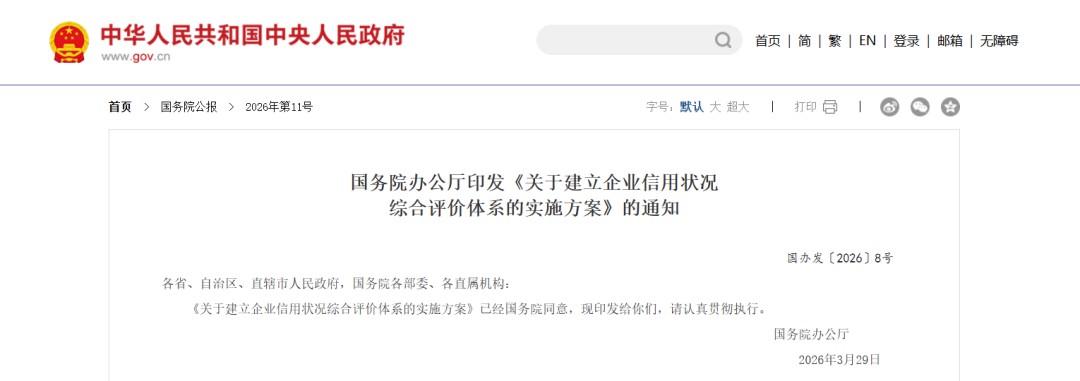


About RESOLAR
Shanghai RESOLAR Energy Technology Co., Ltd. is committed to becoming a recycled material photovoltaic group with deep decarbonization. RESOLAR focuses on technological innovation and builds a world-leading solution for component recycling, impurity removal of damaged cells, recycled silicon materials and cells, and cascaded utilization of components. With professional technology and services, we help customers realize the recycling and reuse of waste photovoltaic resources, and make positive contributions to the development of environmental protection and new energy industries. For more detailed information, you can browse the official website: www.resolartech.com .

Latest developments/news
Contact information
Service Hotline: 13585742918 (Monday to Friday 9:00-18:00)
Enterprise email: ps@resolartech.com (Reply within 48 hours after receiving the email consultation!)
Company Address: Building 8, No. 1528, Wangxu East Road, Fengjing Town, Jinshan District, Shanghai (Caohejing Fengjing Park)