


English
News Center
—— NEWS CENTER ——


At a small waste collection station in Jiangdu District, Yangzhou, all kinds of discarded plastics are piled up on site, including white buckets from detergent containers, old side panels removed from household appliances, fan covers, and worn-out wheel shoes......
A worker in charge of the waste told the reporter that after these recycled plastics are simply crushed, they will flow to various plastic products processing plants, some of which are specifically used to make toothbrushes.
According to the worker, chemical waste barrels that once contained detergent and urea and were contaminated with various residues are sent directly to the outside for crushing without being cleaned throughout the process. As long as pigment is added for coloring, the problem of the dirty appearance of waste plastic raw materials can be solved.
Following a truck collecting waste, the reporter came to another waste collection station, where the ground was covered with collected toothbrushes. A worker was seen sitting on a small stool, using a chopping knife to cut off the toothbrush heads one by one.
The old brush handles left behind are sorted by color and then sent to a processing plant to be crushed again and made into new toothbrush handles.
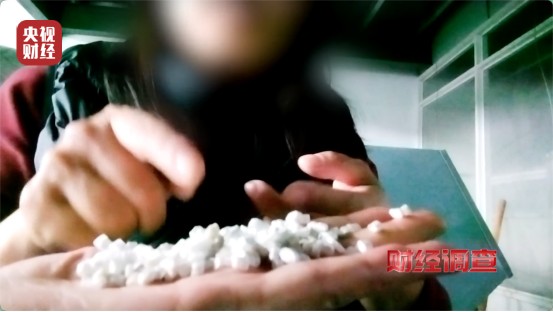
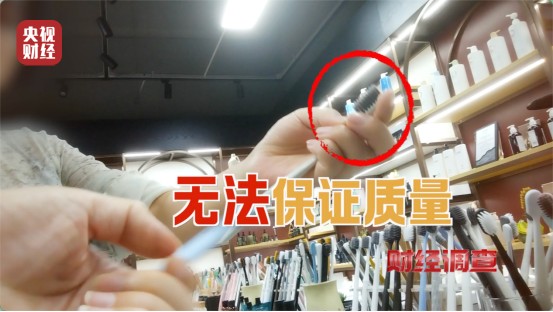
In the backyard of a residential house in Jiangdu District, the reporter saw various already processed disposable masks scattered around the yard, with colorful ones still packed in plastic bags and not yet unpacked. The person in charge told the reporter that these recycled masks can be directly processed at his small workshop into plastic pellets for making toothbrushes, a raw material known in the trade as “recycled material” or “reclaimed material”. The reporter also saw in this yard a pile of bagged plastic waste, each stack about four or five feet high. These wastes included various plastic cloths, snake-skin bags, black garbage bags, and plastic ropes. The person in charge told the reporter that these wastes are also raw materials for making disposable toothbrushes. For such poor-quality plastic waste, there is no cleaning or disinfection process before processing, and after only high-temperature treatment and simple filtration...... when facing the chemical and sanitary risks hidden in these “recycled materials,” processing plants do not really care. Because the raw materials are so mixed, the color of the recycled plastic produced is mottled and inconsistent. The worker told the reporter that in the end, they all unify the color to black for sale. The factory owner said that this low-cost “reclaimed material” is generally not used alone to make toothbrushes, but is mixed into brand-new plastic raw materials in a certain proportion, thereby greatly reducing production costs. In the yard, the reporter saw large amounts of non-woven fabric, meltblown fabric, and protective clothing edging scraps piled everywhere. The owner said these materials were originally special raw materials for producing masks and medical protective clothing. Their main component is also polypropylene, which is the same as the plastic material used to make toothbrush handles. He recycles them into “recycled material” pellets for greater profit. The owner packed a bag of processed plastic pellets for the reporter. In addition to yellow, they can also be made into red, blue, and other colors with color powder. The most common are white and black. A toothbrush factory can buy these raw materials and directly process them into toothbrush handles of different colors. In another “recycled material” processing plant, the reporter saw that the raw material was actually edging waste left over from shoe factory slipper production. A worker stood high up and poured the slipper edging scraps into the hopper of a mixer. After high-temperature treatment, the liquid flowing out solidified into slender filaments in the water tank. After being cut by a cutting machine at the end of the tank, what came out of the hopper were plastic pellets of white color. The owner said his supply is not enough. These plastic pellets being loaded onto the truck will be directly sent to a toothbrush factory in Hangji Town to make toothbrushes. According to the factory owner's guidance, the reporter came to Hangsheng Technology Park, Guangling District, Yangzhou City, where many factories producing hotel disposable supplies are gathered. In order to avoid the pressure of rising raw material prices, many small factories use a large amount of low-priced recycled plastics and mix them with new materials to produce toothbrushes, adjusting the raw material ratio flexibly according to the toothbrush pricing. The person in charge of Hangji Toothbrush Factory took the reporter to visit the toothbrush production line. Plastic pellets are fed from the raw material barrel into the equipment, melted at high temperature, and then quickly formed into complete rows of toothbrushes through mold pressing. Even though high temperature can kill bacteria, the recycled plastic raw materials are chemically complex and contain chemical waste barrels, old toothbrush handles, slipper edging scraps, shoe heel pieces, garbage bags, and high temperatures can sterilize, but cannot change the complex chemical components, the factory admits that they actually buy recycled raw materials entirely by luck, and quality problems do occur when substandard raw materials are involved. The factory told the reporter that because this kind of low-priced recycled plastic pellets mostly come from unqualified small workshops and belong to “three-no” products, even using these “recycled materials” to make toothbrushes, toothbrush manufacturers themselves cannot guarantee that every batch produced will be qualified. In this industrial park, the reporter found another extremely low-priced disposable toothbrush. The ex-factory price was only 0.06 yuan per piece. The factory used corn stalks mixed with recycled plastics, thereby lowering costs. Another factory in the park was also producing the same low-end toothbrushes. The worker told the reporter that this ultra-low-priced product is a common commodity in the industry and also the mainstream product with the largest sales volume in the industry. The factory told the reporter that if the toothbrush handle is made entirely of “recycled material,” the texture will become brittle and it is very likely to break in the mouth during use. In HefeiCai Market Hotel Supplies City, many wholesalers here mainly sell hotel linens and also engage in wholesale of disposable toothbrushes. People in the trade here frankly say that disposable toothbrushes made from “recycled material” are of poor quality and indeed prone to breaking. In Zhengzhou Yufeng International Hotel Supplies City, the situation is much the same. Most wholesalers in the market sell toothbrushes made from “recycled material,” mainly supplied to small hotels and guesthouses, and the quality is worrying. At a tourism supplies company in Shantou, industry insiders introduced the classification rules of recycled plastics to the reporter. Each time plastics are recycled and reprocessed, the quality and price decline in parallel, while impurities continue to increase. The more times they are recycled, the less stable the raw material quality becomes. Pang Xiaochuan, an expert long engaged in preventive medicine and environmental science research, told the reporter that the health risks of disposable toothbrushes made of this kind of “recycled material” come not only from the raw materials themselves, but also from the complex composition of the repeatedly recycled plastics, which can generate new toxic and harmful substances during high-temperature melting and processing. Disposable toothbrushes fit tightly against the oral cavity during use. The oral mucosa has good permeability and dense blood vessels. Combined with the surfactants in toothpaste, the various harmful substances in the raw materials can easily penetrate the human body, hiding multiple health risks over the long term.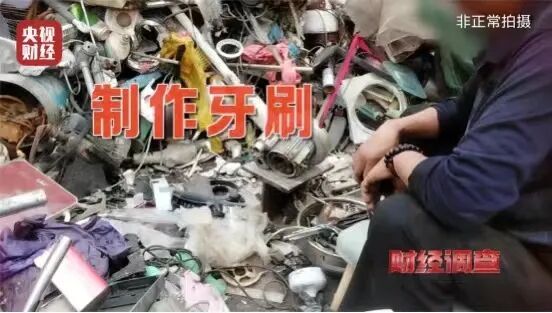









About RESOLAR
Shanghai RESOLAR Energy Technology Co., Ltd. is committed to becoming a recycled material photovoltaic group with deep decarbonization. RESOLAR focuses on technological innovation and builds a world-leading solution for component recycling, impurity removal of damaged cells, recycled silicon materials and cells, and cascaded utilization of components. With professional technology and services, we help customers realize the recycling and reuse of waste photovoltaic resources, and make positive contributions to the development of environmental protection and new energy industries. For more detailed information, you can browse the official website: www.resolartech.com .

Latest developments/news
Contact information
Service Hotline: 13585742918 (Monday to Friday 9:00-18:00)
Enterprise email: ps@resolartech.com (Reply within 48 hours after receiving the email consultation!)
Company Address: Building 8, No. 1528, Wangxu East Road, Fengjing Town, Jinshan District, Shanghai (Caohejing Fengjing Park)